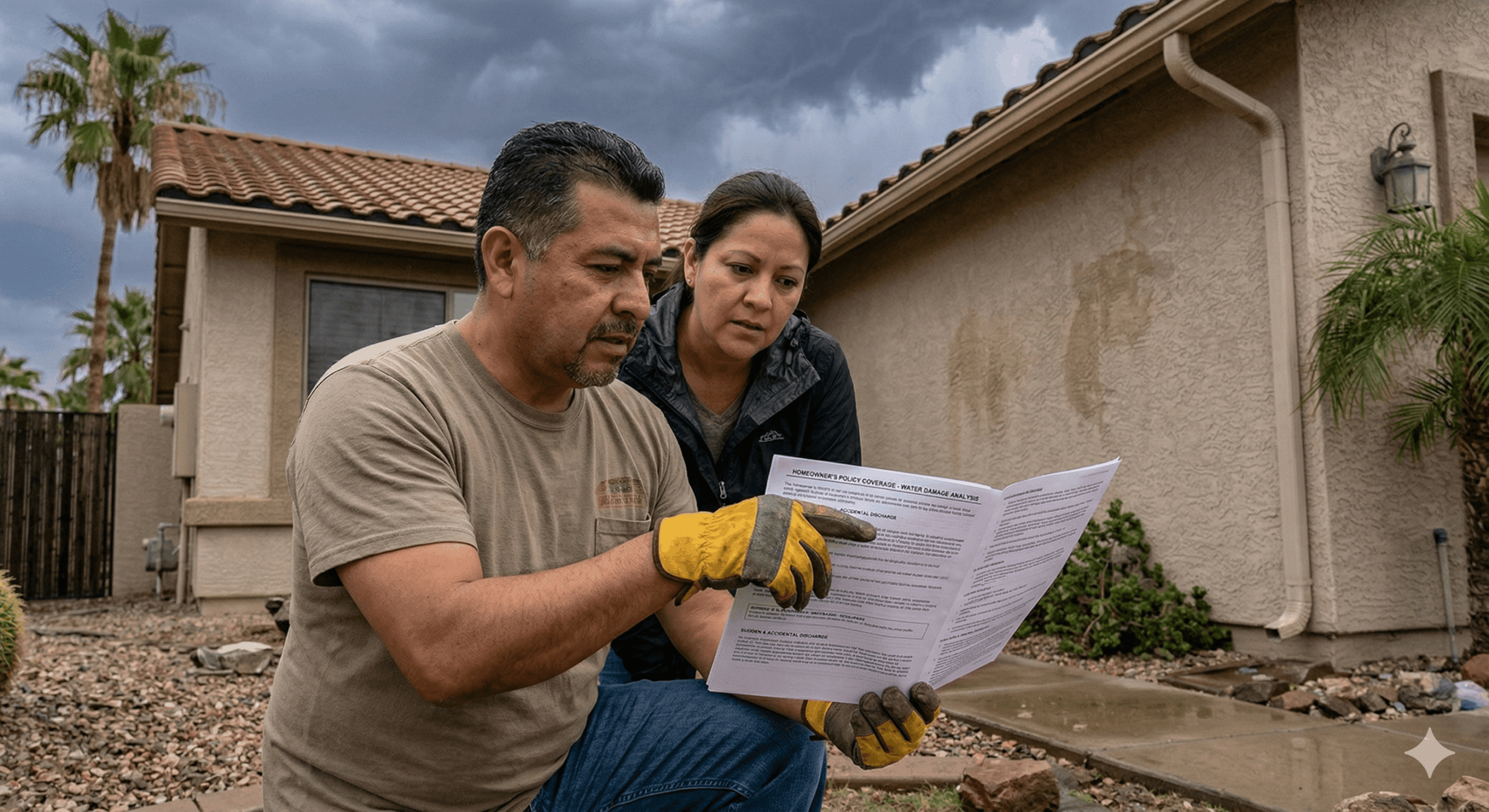
Water damage is a serious concern for homeowners in Arizona, despite the state’s dry climate. Many people assume that living in a desert reduces the risk of water-related issues, but the opposite can often be true. Sudden storms, aging infrastructure, and hidden plumbing problems can lead to costly repairs and structural damage. Understanding the common causes of water damage can help homeowners take preventive measures and protect their property.
Monsoon Storms and Flash Flooding
Arizona’s monsoon season, typically occurring from June through September, is one of the leading causes of water damage in homes. These storms bring heavy rainfall, strong winds, and sudden downpours that can overwhelm drainage systems. Because the ground in many areas is dry and compact, it doesn’t absorb water quickly, leading to rapid surface runoff and flash flooding.
Flash floods can seep into homes through doors, windows, and foundation cracks. In low-lying areas, even a short burst of rain can cause water to accumulate around the property, increasing the risk of interior flooding. Roof leaks are also common during these storms, especially if shingles or flashing are damaged.
To minimize risk, homeowners should ensure proper drainage around their property, maintain gutters and downspouts, and seal any visible cracks in the foundation. Installing sump pumps or water barriers can also provide additional protection during heavy storms.
Aging or Faulty Plumbing Systems
One of the most common yet overlooked causes of water damage in Arizona homes is aging or faulty plumbing. Over time, pipes can corrode, crack, or develop leaks due to wear and tear. In older homes, outdated plumbing materials such as galvanized steel are particularly prone to deterioration.
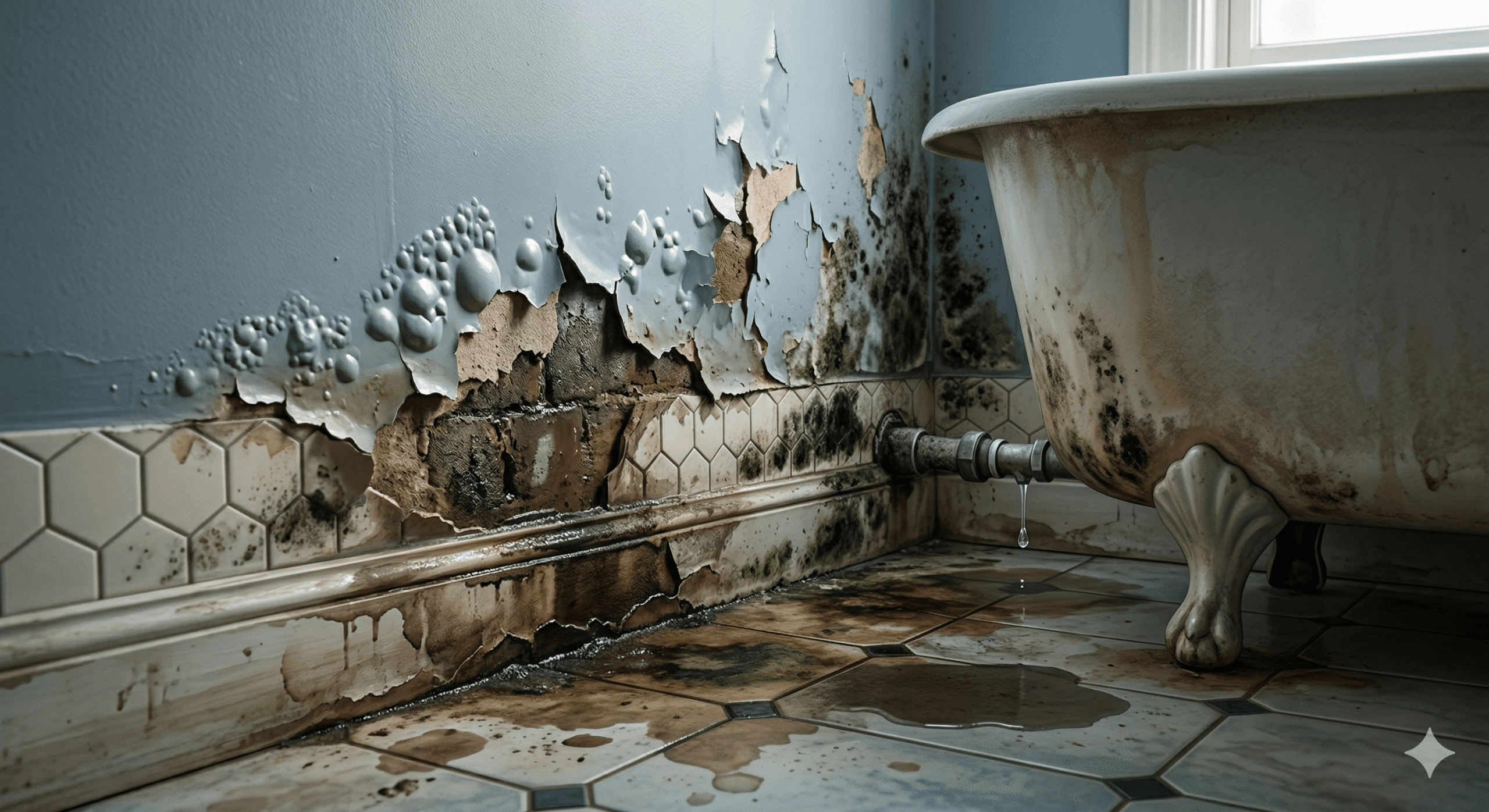
Small leaks often go unnoticed for long periods, allowing water to accumulate behind walls, under floors, or in ceilings. This hidden moisture can lead to mold growth, wood rot, and structural damage. Burst pipes, on the other hand, can cause immediate and severe flooding.
Hard water, which is common in Arizona, also contributes to plumbing issues by causing mineral buildup inside pipes. This buildup restricts water flow and increases pressure, eventually leading to pipe failure.
Regular plumbing inspections, timely repairs, and upgrading old piping systems can significantly reduce the risk of water damage. Installing leak detection devices can also help homeowners catch problems early before they escalate.
Roof Leaks and Poor Roof Maintenance
Roof damage is another major contributor to water damage in Arizona homes. The intense heat and UV exposure in the region can cause roofing materials to deteriorate over time. Shingles may crack, warp, or become brittle, making them more susceptible to leaks during rainstorms.
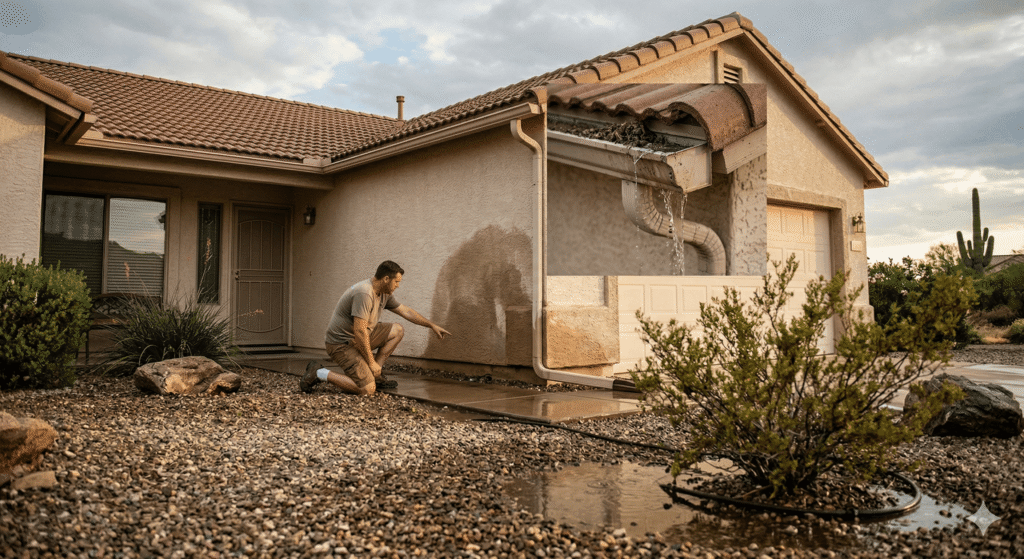
In addition to sun damage, debris such as leaves and dirt can accumulate on the roof and in gutters, preventing proper water drainage. When water pools on the roof, it increases the likelihood of seepage through small openings or damaged areas.
Roof leaks are particularly dangerous because they often go unnoticed until significant damage has already occurred. Water can infiltrate insulation, ceilings, and walls, leading to stains, mold growth, and weakened structures.
Routine roof inspections and maintenance are essential for preventing water damage. Homeowners should replace damaged shingles, clean gutters regularly, and ensure that flashing around vents and chimneys is properly sealed. Addressing minor issues promptly can prevent costly repairs in the future.
Appliance Malfunctions and Leaks
Household appliances are a surprisingly common source of water damage in Arizona homes. Washing machines, dishwashers, refrigerators, and water heaters all rely on water connections that can fail over time. Hoses may crack, loosen, or burst, leading to sudden leaks or continuous dripping.
Water heaters, in particular, can cause significant damage if they fail. Sediment buildup, which is common due to hard water, can weaken the tank and lead to leaks or even complete rupture. Similarly, clogged or damaged dishwasher lines can cause water to overflow onto floors and cabinetry.
These types of leaks often occur when homeowners are away or asleep, allowing water to spread unnoticed for hours. This can result in extensive damage to flooring, walls, and nearby furniture.
To prevent appliance-related water damage, homeowners should regularly inspect hoses and connections, replace worn-out components, and consider installing water leak alarms. Routine maintenance of appliances, including flushing water heaters, can also extend their lifespan and reduce risks.
HVAC System Issues and Condensation
Heating, ventilation, and air conditioning (HVAC) systems are essential in Arizona’s hot climate, but they can also be a source of water damage if not properly maintained. Air conditioners produce condensation as they cool indoor air, and this moisture is typically drained away through a condensate line.
When the condensate drain becomes clogged or damaged, water can back up and overflow into the home. This can lead to water stains, mold growth, and damage to walls and ceilings. In some cases, homeowners may not notice the problem until significant damage has occurred.
Improper installation or lack of maintenance can also contribute to HVAC-related water issues. For example, poorly insulated ducts can cause condensation to form, especially in humid conditions during the monsoon season.
Regular HVAC maintenance is crucial for preventing water damage. Homeowners should ensure that condensate lines are clear, replace filters regularly, and schedule professional inspections. Installing a float switch can also help shut off the system if water levels become too high.
Foundation Cracks and Poor Drainage
Foundation issues are another major cause of water damage in Arizona homes. Soil movement, temperature fluctuations, and poor construction can lead to cracks in the foundation. These cracks create entry points for water, especially during heavy rains or flooding.
Poor drainage around the home can worsen the problem. If water is not directed away from the foundation, it can accumulate and seep into basements or crawl spaces. Over time, this can weaken the structure and lead to costly repairs.
In Arizona, where the soil can expand and contract due to moisture changes, foundation cracks are not uncommon. However, even small cracks can allow water to enter and cause damage if left unaddressed.
To prevent foundation-related water damage, homeowners should ensure proper grading around their property, install effective drainage systems, and seal any cracks promptly. Regular inspections can help identify potential issues early and prevent them from escalating.
Sewer Backups and Drainage Problems
Sewer backups and clogged drains are less common but highly damaging causes of water issues in Arizona homes. Blockages in the main sewer line can cause wastewater to back up into sinks, toilets, and bathtubs, creating unsanitary conditions and significant damage.
Tree roots, grease buildup, and foreign objects are common causes of sewer line blockages. During heavy rains, municipal systems can also become overwhelmed, increasing the risk of backups.
Drainage problems within the home, such as clogged sinks or slow drains, can lead to localized flooding if not addressed promptly. Over time, repeated exposure to water can damage flooring, cabinetry, and walls.
Preventive measures include regular drain cleaning, avoiding the disposal of grease and debris in sinks, and installing backflow prevention devices. Professional inspections of sewer lines can also help identify potential issues before they lead to costly damage.
Conclusion
Water damage in Arizona homes can occur from a variety of sources, ranging from natural weather events to everyday household issues. While the dry climate may give a false sense of security, factors like monsoon storms, aging plumbing, and poor maintenance can quickly lead to serious problems.
By understanding these common causes and taking proactive steps, homeowners can significantly reduce their risk. Regular inspections, proper maintenance, and timely repairs are key to protecting your home and avoiding costly damage. Investing in preventive measures today can save you time, money, and stress in the long run.