Mold growth is a common concern for homeowners, especially in regions like Phoenix where heat and occasional moisture create ideal conditions for spores to thrive. While Phoenix is known for its dry desert climate, indoor environments—especially those with poor ventilation or hidden leaks—can still become breeding grounds for mold. Preventing mold is not just about maintaining a clean home; it’s also crucial for protecting your property and health. Mold can damage building materials, trigger allergies, and worsen respiratory conditions.
In this comprehensive guide, we’ll explore practical, proven strategies to prevent mold growth in Phoenix homes. Each section focuses on actionable steps you can take to keep your home safe, dry, and mold-free year-round.
Understand the Causes of Mold Growth
Mold thrives in environments where moisture, warmth, and organic materials are present. Even in a dry climate like Phoenix, indoor conditions can easily support mold growth if moisture is introduced. Common sources include plumbing leaks, roof damage, poor ventilation, and condensation from air conditioning systems.
Humidity levels above 60% can significantly increase the risk of mold. In Phoenix, this often happens indoors due to evaporative coolers, cooking, or long showers. Areas like bathrooms, kitchens, basements, and attics are particularly vulnerable. Mold spores are always present in the air, but they only grow when they land on damp surfaces.
Understanding these causes helps homeowners take proactive measures. Regular inspections, moisture control, and proper airflow are key to stopping mold before it starts. By identifying risk factors early, you can prevent costly damage and maintain a healthier living environment.
Control Indoor Humidity Levels
Managing indoor humidity is one of the most effective ways to prevent mold growth. Even in Phoenix, indoor humidity can rise due to daily activities like cooking, bathing, and laundry. Keeping humidity levels between 30% and 50% is ideal for preventing mold.
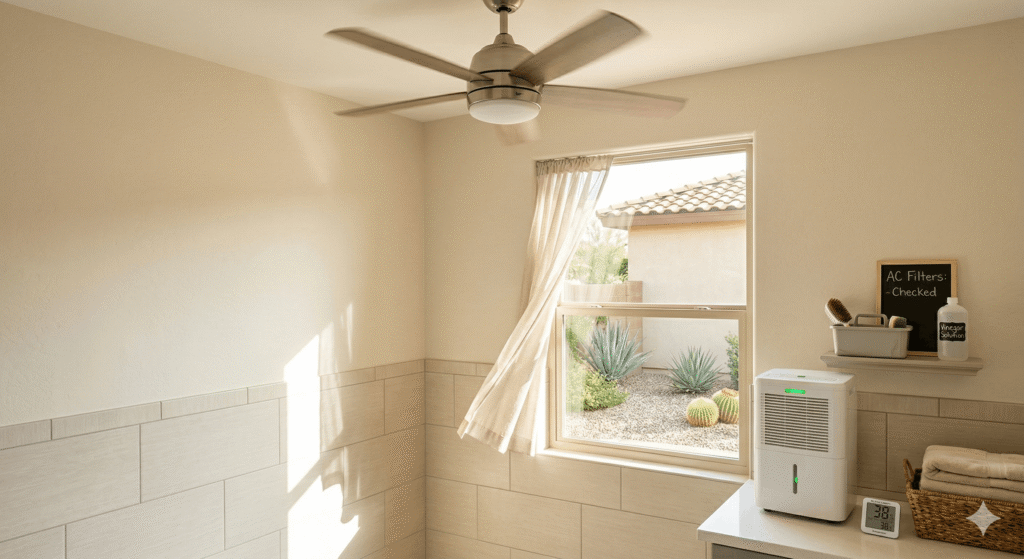
Use a hygrometer to monitor humidity levels in different areas of your home. If levels rise too high, consider using a dehumidifier, especially in moisture-prone spaces like bathrooms and laundry rooms. Air conditioners also help reduce humidity, but they must be properly maintained to function effectively.
Ensure your home is well-ventilated. Use exhaust fans in bathrooms and kitchens to remove excess moisture. Opening windows during cooler, dry periods can also help improve airflow. By actively controlling humidity, you eliminate one of the key conditions mold needs to grow.
Fix Leaks and Water Issues Promptly
Water leaks are one of the leading causes of mold growth in homes. Even small leaks can create damp conditions that allow mold to develop within 24 to 48 hours. In Phoenix homes, leaks often occur in plumbing systems, roofs, and around windows or doors.
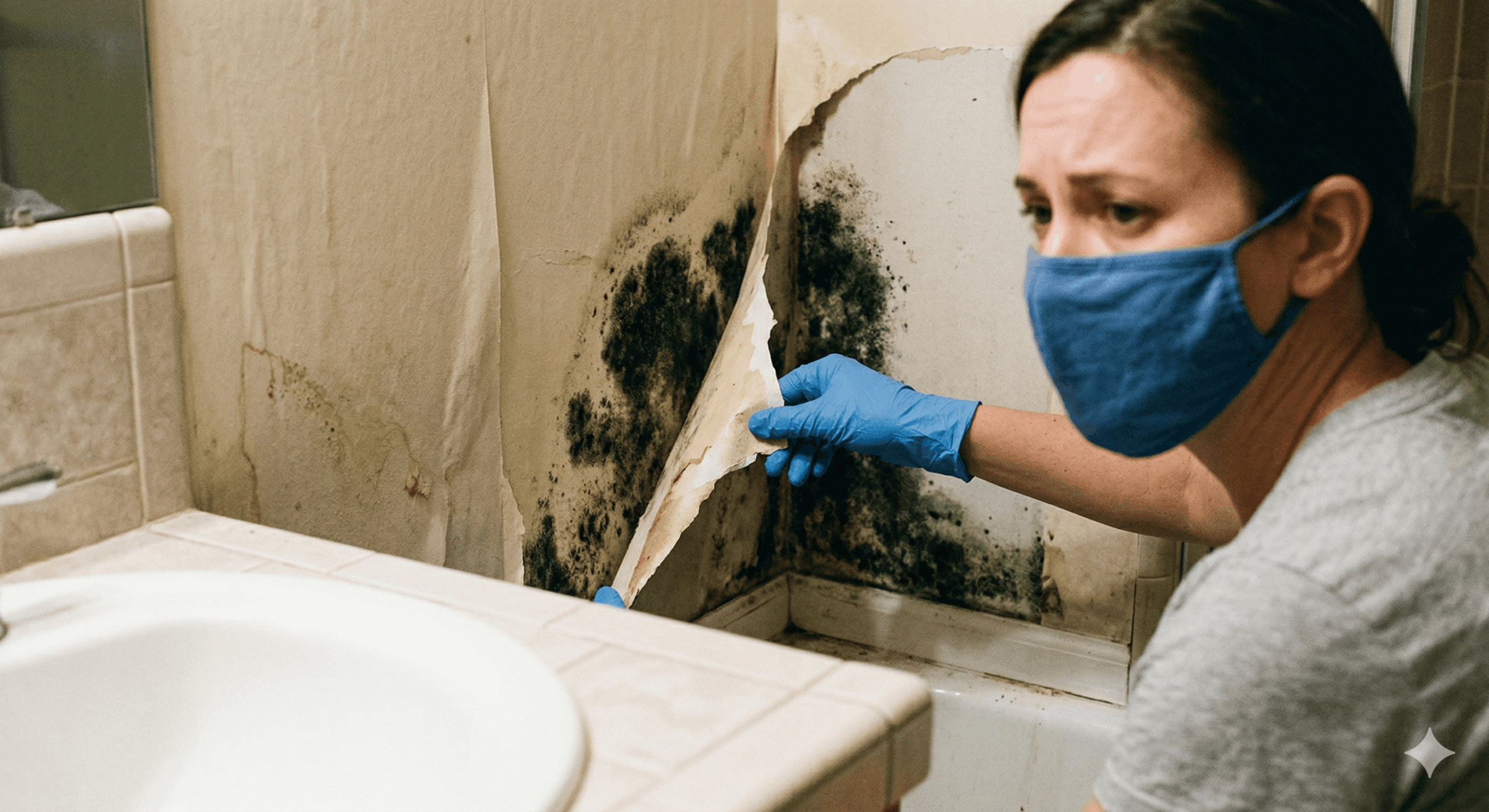
Inspect your home regularly for signs of water damage, such as stains, peeling paint, or musty odors. Check under sinks, behind appliances, and around HVAC systems. If you notice any leaks, repair them immediately to prevent moisture buildup.
Roof leaks are especially dangerous because they can go unnoticed for long periods. After storms or heavy rains, inspect your roof for damage. Proper drainage systems, including clean gutters and downspouts, also help prevent water from accumulating near your home’s foundation.
Quick action is critical. Addressing water issues promptly not only prevents mold but also protects your home’s structural integrity and reduces repair costs.
Improve Ventilation Throughout Your Home
Proper ventilation is essential for preventing mold growth. Without adequate airflow, moisture can become trapped indoors, creating the perfect environment for mold. This is especially important in Phoenix homes that rely heavily on air conditioning systems.
Install and use exhaust fans in bathrooms and kitchens to remove steam and humidity. Make sure these fans vent outside rather than into the attic, as trapped moisture can lead to hidden mold growth. Ceiling fans and open windows can also improve air circulation.
Attics and crawl spaces should be well-ventilated to prevent heat and moisture buildup. Poor ventilation in these areas can lead to condensation, which encourages mold growth on wood and insulation materials.
Regularly maintain your HVAC system to ensure it’s working efficiently. Clean filters and ducts help improve airflow and reduce moisture. By enhancing ventilation, you create a drier, less hospitable environment for mold.
Use Mold-Resistant Materials
When building or renovating your home, consider using mold-resistant materials. These materials are designed to withstand moisture and reduce the likelihood of mold growth, making them especially useful in high-risk areas.
Mold-resistant drywall, paint, and insulation are excellent options for bathrooms, kitchens, and basements. These products contain antimicrobial properties that help inhibit mold development. In Phoenix homes, where temperature fluctuations can cause condensation, these materials provide an extra layer of protection.
Flooring choices also matter. Tile, vinyl, and sealed concrete are better options than carpet in moisture-prone areas. Carpets can trap moisture and become breeding grounds for mold if not properly maintained.
Investing in mold-resistant materials may have a higher upfront cost, but it can save you money in the long run by reducing maintenance and repair expenses. It’s a smart, preventative approach to keeping your home mold-free.
Maintain Your HVAC System
Your HVAC system plays a crucial role in controlling temperature and humidity levels in your home. However, if not properly maintained, it can become a source of moisture and mold growth.
Regularly replace air filters to ensure proper airflow and reduce dust buildup. Dirty filters can trap moisture and create an environment where mold thrives. Schedule routine inspections and maintenance to keep your system running efficiently.
Check for condensation around air conditioning units and ducts. If you notice water pooling or excessive moisture, address the issue immediately. Proper insulation of ducts can also help prevent condensation.
In Phoenix, many homes use evaporative coolers, which can increase indoor humidity if not properly managed. Ensure these systems are cleaned and maintained regularly to prevent mold buildup.
A well-maintained HVAC system not only improves air quality but also plays a key role in preventing mold growth throughout your home.
Keep Your Home Clean and Dry
Maintaining a clean and dry home is a simple yet powerful way to prevent mold. Regular cleaning removes dust and organic materials that mold feeds on, while keeping surfaces dry eliminates the moisture it needs to grow.
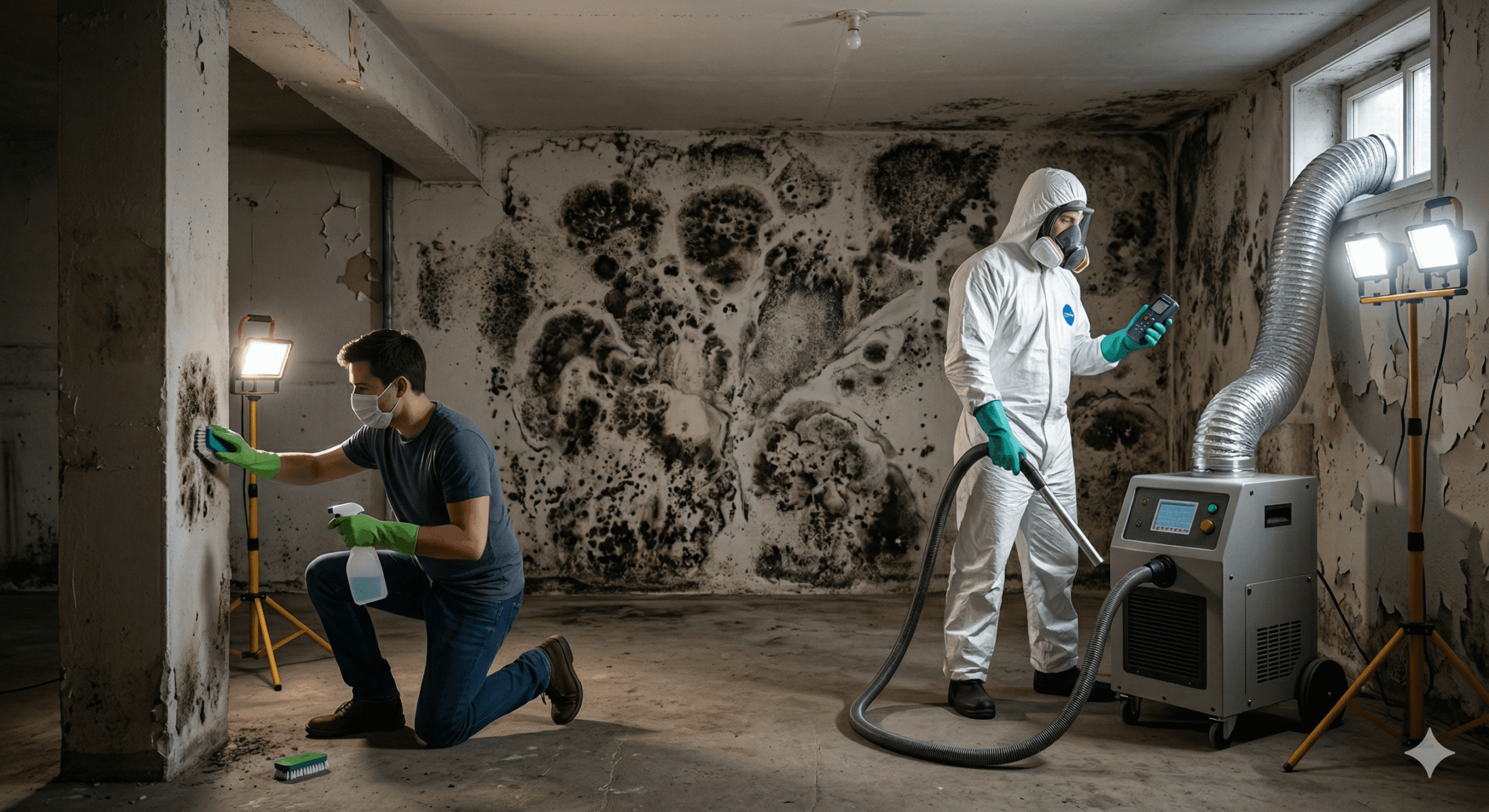
Pay special attention to areas prone to moisture, such as bathrooms and kitchens. Wipe down wet surfaces, fix spills immediately, and avoid leaving damp towels or clothes lying around. Use mold-killing cleaning products when necessary, especially in high-risk areas.
Decluttering your home can also help improve airflow and reduce hidden moisture pockets. Avoid overpacking closets and storage spaces, as poor air circulation can lead to mold growth.
Additionally, ensure that furniture is placed slightly away from walls to allow air to circulate. This is particularly important in Phoenix homes where temperature differences between indoor and outdoor environments can cause condensation.
Consistency is key. By keeping your home clean, dry, and well-organized, you create an environment where mold simply cannot thrive.
Final Thoughts
Preventing mold growth in Phoenix homes requires a proactive approach that focuses on moisture control, ventilation, and regular maintenance. While the desert climate may seem like a natural defense against mold, indoor conditions can still create hidden risks.
By understanding the causes of mold, controlling humidity, fixing leaks promptly, improving ventilation, and maintaining your home systems, you can significantly reduce the chances of mold growth. Investing in mold-resistant materials and maintaining cleanliness further strengthens your defense.
Taking these steps not only protects your home but also ensures a healthier living environment for you and your family. With consistent effort and attention, you can keep your Phoenix home safe, dry, and mold-free all year long.