Water damage is one of the most common and costly issues homeowners face. From burst pipes to heavy storms, the sources can vary widely, making it essential to understand what your homeowner’s insurance actually covers. Many homeowners assume all water-related damage is included in their policy, but that’s not always the case. Coverage depends on the cause of the damage, the type of policy you have, and how well you maintain your property.
Homeowner’s insurance is designed to protect against sudden and accidental damage rather than gradual issues caused by neglect. This distinction plays a major role when filing claims. For example, a pipe that bursts unexpectedly may be covered, while long-term leaks that were ignored may not be. Understanding these nuances helps you avoid unpleasant surprises during stressful situations.
In this guide, we’ll break down the key aspects of water damage coverage, what’s included, what’s excluded, and how you can better protect your home and finances.
What Types of Water Damage Are Typically Covered? (Approx. 180 words)
Most standard homeowner’s insurance policies cover water damage that is sudden and accidental. This includes incidents like burst pipes, accidental overflow from appliances, or water damage caused by extinguishing a fire. These situations are considered unexpected, making them eligible for coverage under most policies.
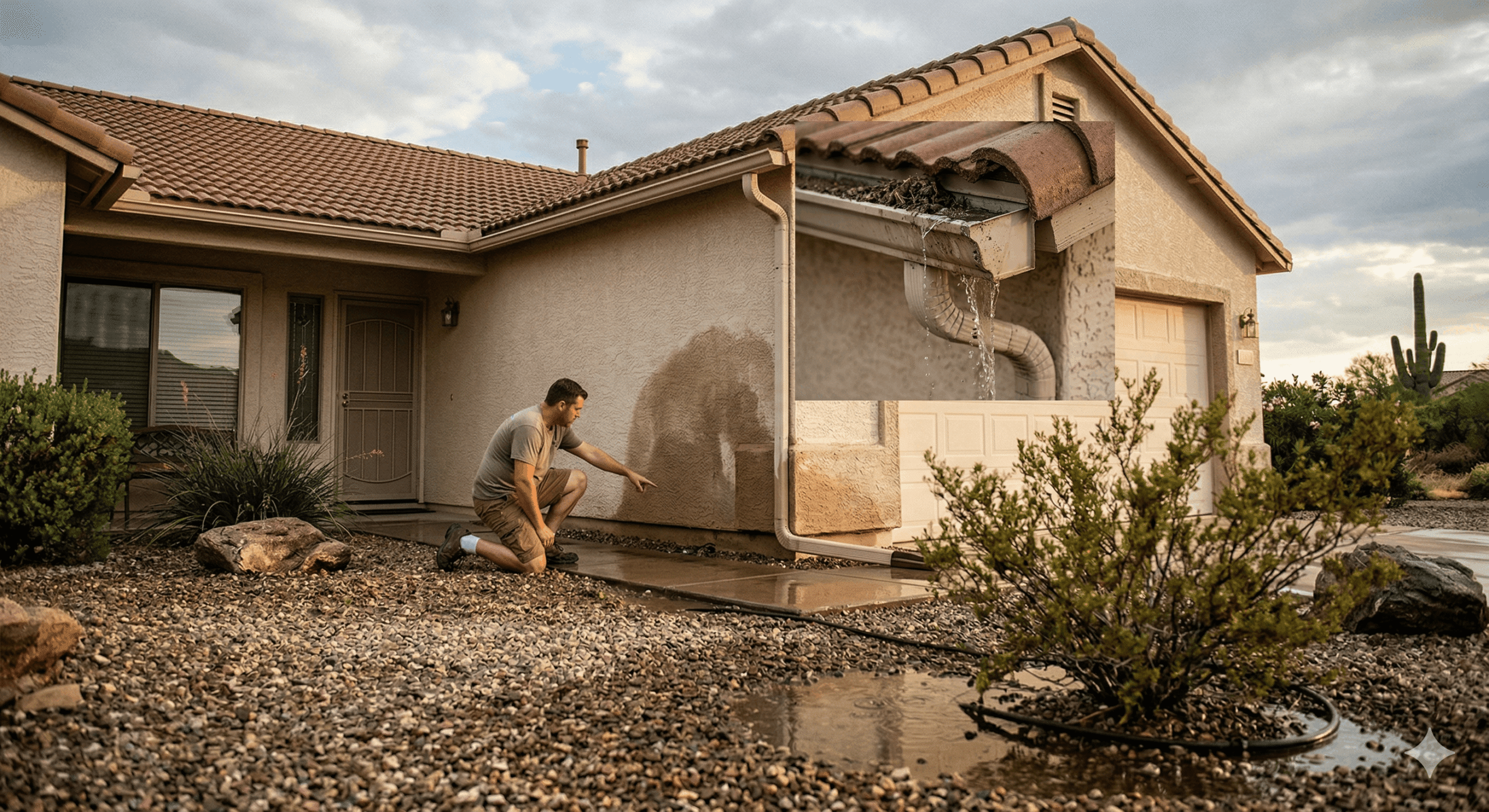
For instance, if your washing machine hose suddenly breaks and floods your laundry room, your insurance will likely cover the cost of repairing the damage. Similarly, if a storm causes water to enter your home through a damaged roof, the resulting damage may also be covered—provided the roof was properly maintained.
It’s important to note that coverage often extends to both structural damage and personal belongings affected by the water. However, the extent of compensation depends on your policy limits and whether you have replacement cost or actual cash value coverage.
Understanding what qualifies as “sudden and accidental” is crucial. Insurance companies carefully assess claims, and proving the nature of the damage can significantly impact your reimbursement.
Common Exclusions in Water Damage Policies (Approx. 170 words)
While homeowner’s insurance provides valuable protection, it does not cover every type of water damage. One of the most common exclusions is flood damage caused by natural disasters such as heavy rainfall, hurricanes, or overflowing rivers. Standard policies typically require separate flood insurance for these events.
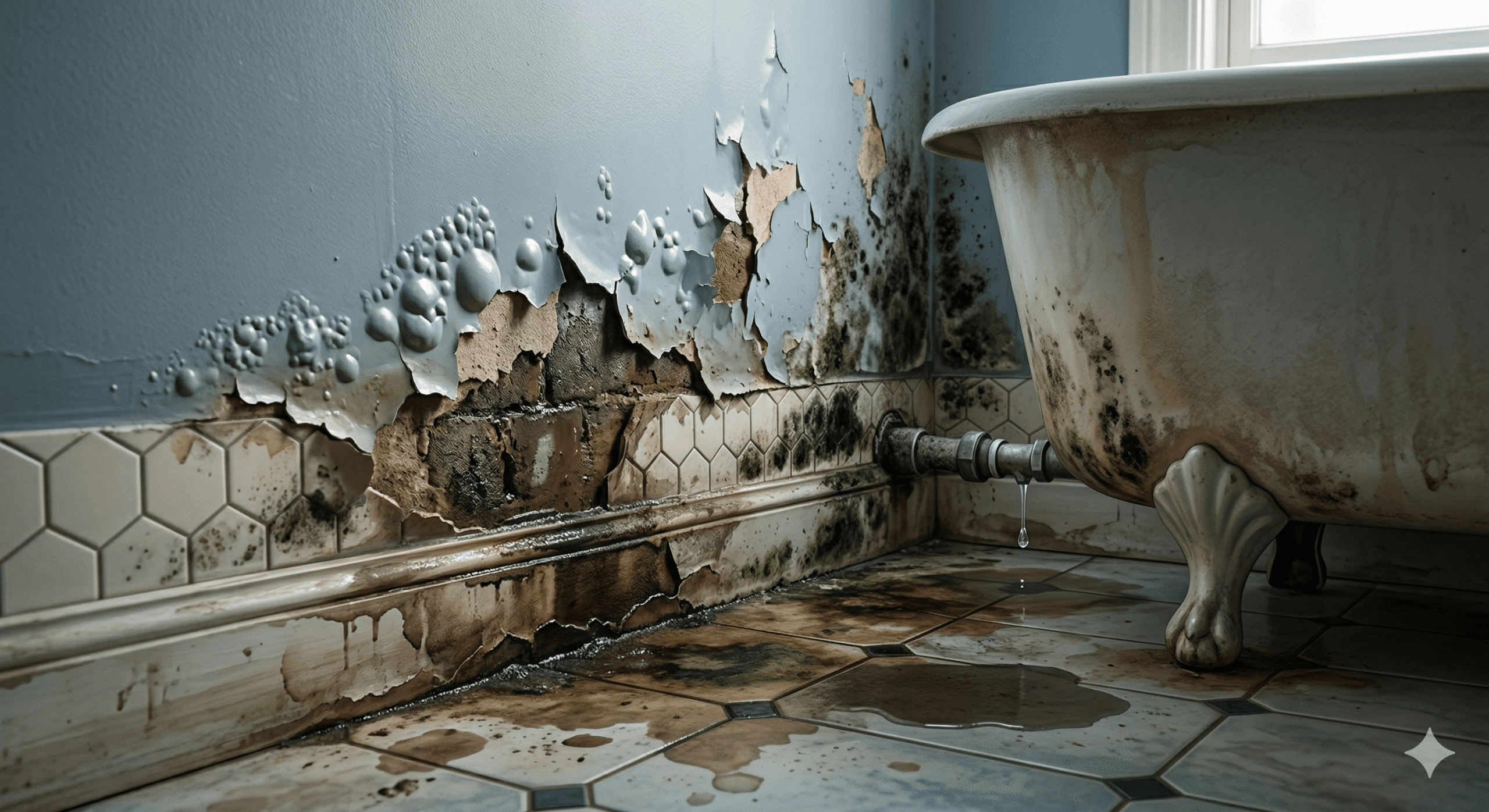
Another major exclusion is damage resulting from poor maintenance or neglect. For example, if a small leak under your sink goes unrepaired for months and eventually causes significant damage, your claim may be denied. Insurance companies expect homeowners to take reasonable steps to maintain their property.
Sewer backups and sump pump failures are also often excluded unless you purchase additional coverage or endorsements. These issues can cause extensive damage, making it worthwhile to consider optional add-ons.
Understanding these exclusions helps you identify gaps in your coverage. By knowing what isn’t covered, you can take proactive steps to secure additional protection where needed.
The Importance of Policy Limits and Deductibles (Approx. 160 words)
Your homeowner’s insurance policy includes specific limits and deductibles that directly affect your financial responsibility during a claim. The policy limit is the maximum amount your insurer will pay for a covered loss, while the deductible is the amount you must pay out of pocket before coverage kicks in.
For water damage claims, these factors can significantly influence how much you ultimately receive. For example, if your policy has a $1,000 deductible and the total damage is $5,000, your insurer will only cover $4,000. Choosing a higher deductible can lower your premium but increases your out-of-pocket expenses during a claim.
Additionally, some policies may have sub-limits for specific types of water damage, such as mold remediation or sewer backup. Reviewing these limits ensures you are adequately protected against potential risks.
Regularly evaluating your policy limits and deductible options helps you strike the right balance between affordability and comprehensive coverage.
Additional Coverage Options to Consider (Approx. 170 words)
Given the limitations of standard homeowner’s insurance, many homeowners opt for additional coverage to enhance their protection. Flood insurance is one of the most important add-ons, especially if you live in a flood-prone area. This separate policy covers damage caused by rising water levels that standard insurance excludes.
Another valuable option is sewer backup coverage, which protects against damage caused by clogged or overwhelmed sewer systems. Similarly, water backup endorsements can cover sump pump failures, which are common during heavy rains.
Mold coverage is another consideration, as mold growth often follows water damage incidents. Some policies offer limited coverage, but additional endorsements can provide more comprehensive protection.
Investing in these add-ons can provide peace of mind and financial security. While they may increase your premium slightly, the cost is often minimal compared to the potential expenses of uncovered damage.
Tips for Filing a Successful Water Damage Claim (Approx. 160 words)
Filing a water damage claim can be a stressful process, but taking the right steps can improve your chances of approval. First, act quickly to minimize further damage. Shut off the water source if possible and document the damage with photos and videos before starting any cleanup.
Next, contact your insurance company promptly to report the incident. Provide detailed information about the cause and extent of the damage. Keeping records of repair estimates, receipts, and communication with contractors can strengthen your claim.
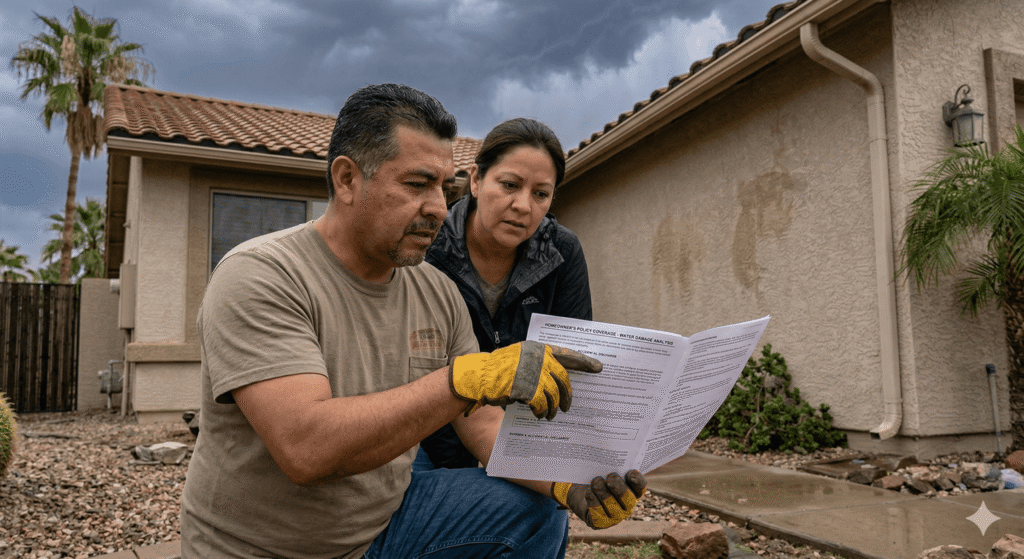
It’s also important to review your policy beforehand so you understand what’s covered. This helps you set realistic expectations and avoid disputes with your insurer.
Lastly, consider working with a professional restoration company. They can assess the damage accurately and provide documentation that supports your claim, making the process smoother and more efficient.
Preventative Measures to Protect Your Home (Approx. 160 words)
Prevention is always better than dealing with costly repairs and insurance claims. Regular home maintenance plays a crucial role in reducing the risk of water damage. Inspect your plumbing system, appliances, and roof periodically to identify potential issues before they escalate.
Installing water leak detectors and automatic shut-off systems can provide an added layer of protection. These devices alert you to leaks early, allowing you to take immediate action. Cleaning gutters and ensuring proper drainage around your home can also prevent water from seeping into your foundation.
Additionally, maintaining your sump pump and ensuring it functions properly during heavy rains can help avoid basement flooding. Simple اقدامات like sealing cracks in walls and windows can further reduce the risk of water intrusion.
By taking these preventative measures, you not only protect your home but also increase the likelihood of your insurance claims being approved if damage does occur.
Conclusion: Stay Informed and Protected (Approx. 150 words)
Understanding your homeowner’s insurance coverage for water damage is essential for protecting your property and financial well-being. While standard policies cover many types of sudden and accidental damage, they also come with important exclusions and limitations that every homeowner should be aware of.
Taking the time to review your policy, consider additional coverage options, and implement preventative measures can make a significant difference when disaster strikes. Being proactive not only minimizes risks but also ensures a smoother claims process if you ever need to file one.
Ultimately, knowledge is your best defense. By staying informed and prepared, you can confidently navigate the complexities of water damage coverage and safeguard your home against unexpected challenges.