Black mold is one of the most dangerous and overlooked hazards that can develop inside a home. Often hidden behind walls, under carpets, or inside HVAC systems, it thrives in damp, humid environments. Many homeowners remain unaware of its presence until it starts affecting their health or causing visible damage.
Scientifically known as Stachybotrys chartarum, black mold releases toxic spores into the air, which can be inhaled unknowingly. These spores not only compromise indoor air quality but can also trigger serious health issues over time. What makes black mold particularly dangerous is its ability to grow silently in areas that are rarely inspected.
Ignoring early warning signs can lead to extensive contamination, costly repairs, and long-term health complications. Understanding the hidden dangers of black mold is crucial for protecting your home, your family, and your investment. In this article, we will explore how black mold forms, its health risks, and how you can prevent and eliminate it effectively.
What Is Black Mold and How Does It Grow?
Black mold is a type of fungus that thrives in moist, warm environments with poor ventilation. It commonly develops in areas exposed to water damage, such as bathrooms, basements, kitchens, and areas affected by leaks or flooding.
This mold feeds on organic materials like wood, drywall, and insulation. When moisture is present for an extended period—typically 24 to 48 hours—mold spores can begin to grow and spread rapidly. Once established, black mold releases microscopic spores into the air, making it easy to spread throughout your home.
Common causes of black mold growth include leaking pipes, roof leaks, condensation, high indoor humidity, and inadequate ventilation. Even minor water issues, if left untreated, can create the perfect environment for mold colonies to thrive.
Because black mold often grows in hidden spaces, it can go undetected for months. By the time it becomes visible, the infestation may already be widespread. Regular inspections and moisture control are key to preventing mold growth before it becomes a serious problem.
Health Risks Associated with Black Mold Exposure
Exposure to black mold can lead to a variety of health problems, especially for individuals with allergies, asthma, or weakened immune systems. The spores released by black mold can be inhaled, causing both short-term and long-term health effects.
Common symptoms include coughing, sneezing, skin irritation, headaches, and eye irritation. For some individuals, exposure can trigger severe allergic reactions or asthma attacks. Prolonged exposure may lead to more serious respiratory issues and chronic sinus infections.
Black mold produces mycotoxins, which are toxic compounds that can negatively affect the body. In extreme cases, these toxins may contribute to neurological symptoms such as memory loss, fatigue, and difficulty concentrating.
Children, elderly individuals, and those with pre-existing health conditions are particularly vulnerable. Even healthy individuals can experience symptoms if exposure is prolonged.
Recognizing the health risks associated with black mold is essential. If you notice persistent health symptoms that worsen indoors, mold contamination could be the underlying cause. Addressing the issue promptly can help protect your overall well-being.
Signs You May Have Black Mold in Your Home
Detecting black mold early can prevent serious damage and health risks. While it is not always visible, there are several warning signs that may indicate its presence in your home.
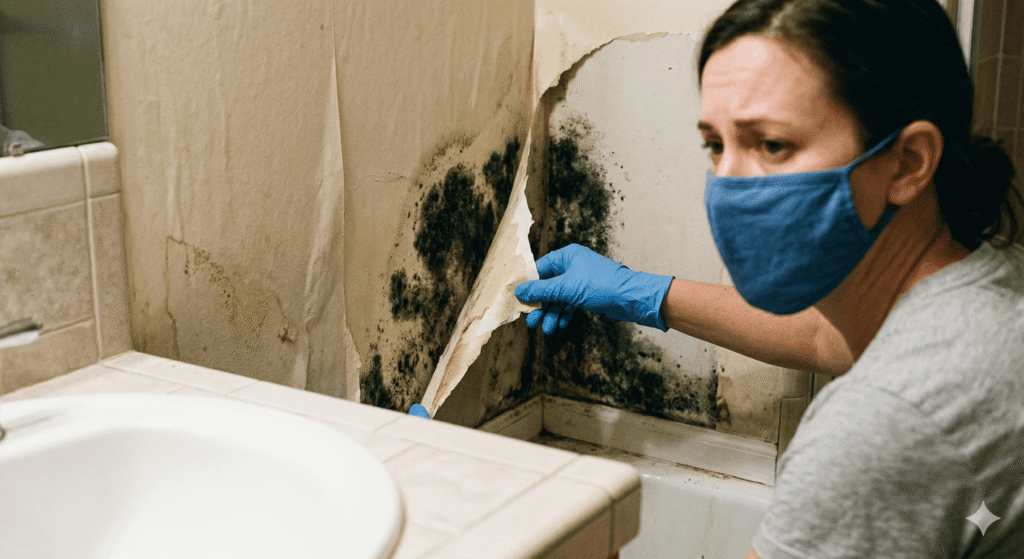
One of the most common indicators is a musty, damp odor. This smell often suggests mold growth behind walls, under flooring, or in hidden spaces. Visible mold appears as dark green or black patches, usually in areas with high moisture.
Water stains, peeling paint, or warped walls can also signal a mold problem. These signs often indicate underlying moisture issues that encourage mold growth. Increased allergy symptoms or respiratory problems among household members may also point to mold exposure.
Another key sign is condensation on windows or walls, which can create a breeding ground for mold. If your home has recently experienced flooding or leaks, the risk of mold growth is significantly higher.
Regularly inspecting high-risk areas and addressing moisture problems quickly can help you identify mold before it spreads. Early detection is crucial for minimizing both health risks and repair costs.
Structural Damage Caused by Black Mold
Black mold doesn’t just affect your health—it can also cause serious damage to your home’s structure. Over time, mold feeds on organic materials like wood, drywall, and insulation, weakening them and compromising the integrity of your property.
As mold spreads, it can cause wood to rot and drywall to deteriorate. This may lead to sagging ceilings, warped floors, and weakened walls. In severe cases, structural components may need to be replaced entirely, resulting in costly repairs.
Mold can also damage carpets, furniture, and personal belongings. Once contaminated, these items may be difficult or impossible to restore. Additionally, mold growth inside HVAC systems can spread spores throughout the entire house, worsening the problem.
The longer mold is left untreated, the more extensive the damage becomes. What starts as a small issue can quickly escalate into a major renovation project.
Protecting your home from structural damage requires prompt action. Addressing moisture issues and removing mold early can save you significant time, money, and stress in the long run.
Effective Ways to Prevent Black Mold Growth
Preventing black mold starts with controlling moisture in your home. Since mold thrives in damp environments, keeping your home dry and well-ventilated is essential.
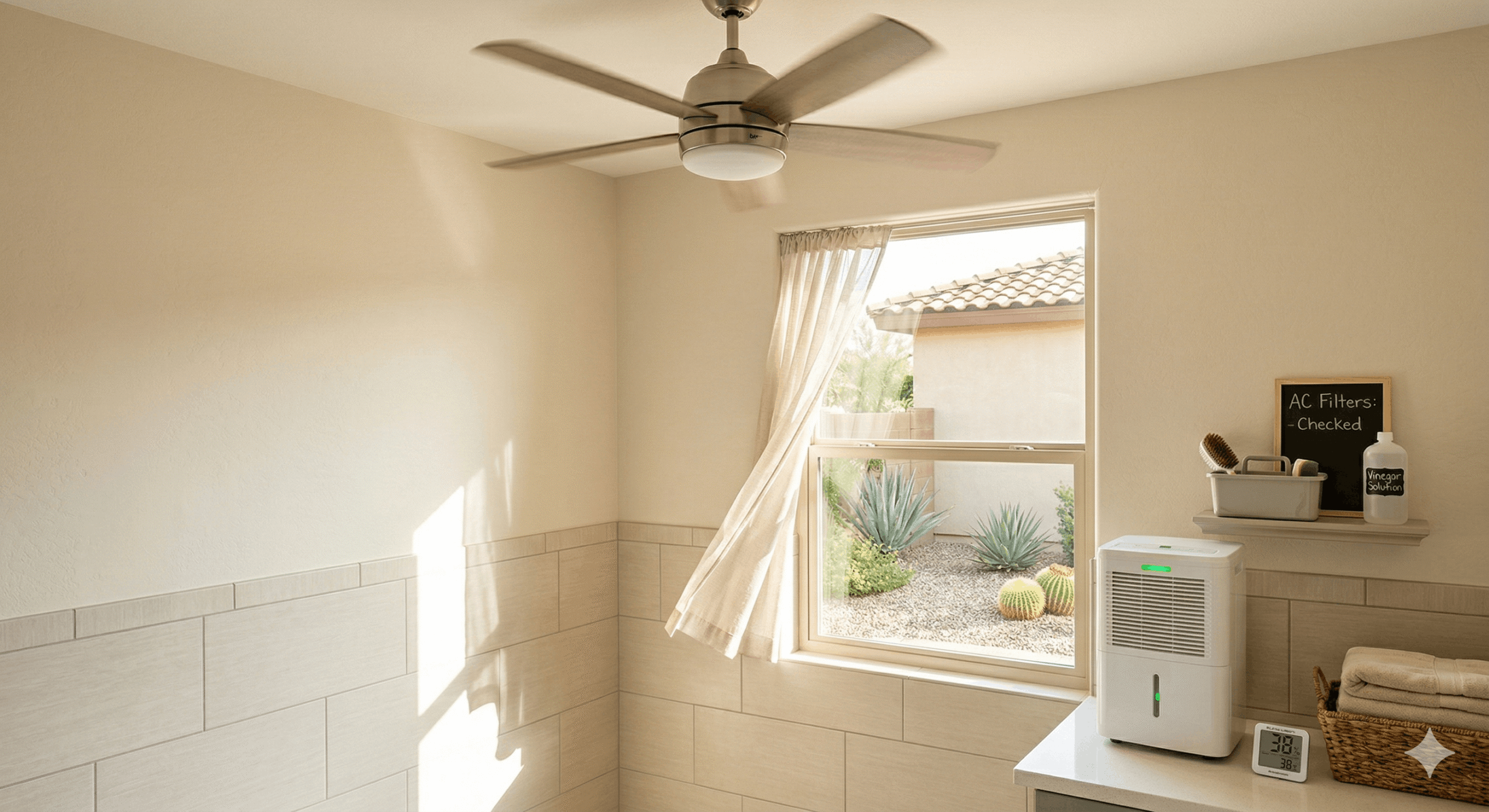
Start by fixing any leaks in your plumbing, roof, or windows as soon as they occur. Even small leaks can create the conditions needed for mold growth. Using dehumidifiers in humid areas like basements can help maintain optimal humidity levels, ideally below 50%.
Proper ventilation is also crucial. Ensure that bathrooms, kitchens, and laundry areas have exhaust fans to remove excess moisture. Opening windows when possible can improve air circulation and reduce humidity.
Regular cleaning and maintenance can also prevent mold growth. Pay special attention to areas prone to moisture, such as under sinks and around appliances. Using mold-resistant products, like special paints and drywall, can provide an extra layer of protection.
By taking proactive steps, you can significantly reduce the risk of black mold developing in your home and maintain a healthier living environment.
How to Safely Remove Black Mold
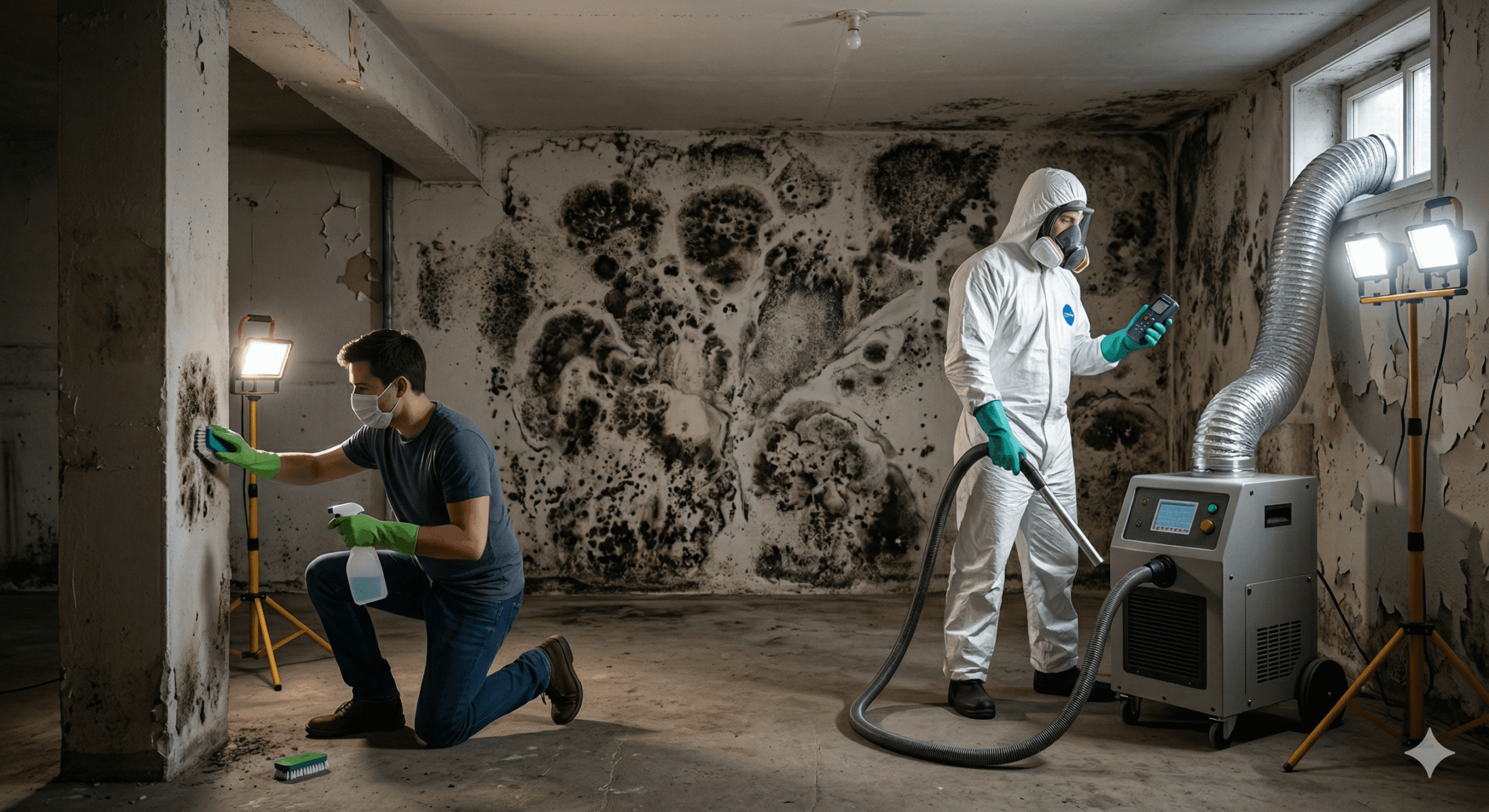
Removing black mold requires careful handling to avoid spreading spores and increasing exposure. For small areas, you may be able to clean the mold yourself using protective gear such as gloves, masks, and goggles.
Use appropriate cleaning solutions, such as diluted bleach or specialized mold removal products, to kill and remove mold from hard surfaces. However, porous materials like drywall or carpets may need to be replaced if heavily contaminated.
For larger infestations, it is highly recommended to hire professional mold remediation experts. They have the tools and expertise to safely remove mold and prevent it from returning. Professionals also ensure proper containment and disposal, reducing the risk of cross-contamination.
It’s important to address the source of moisture before cleaning the mold. Otherwise, the problem will likely return. Simply removing visible mold is not enough if the underlying issue remains unresolved.
Taking the right approach to mold removal can protect your health and ensure your home is safe and mold-free.
Conclusion: Protect Your Home and Health
Black mold is more than just an unsightly problem—it is a serious threat to both your health and your home. From respiratory issues to structural damage, its impact can be far-reaching if left untreated.
Understanding how black mold grows, recognizing its warning signs, and taking preventive measures are key to maintaining a safe living environment. Early detection and prompt action can make all the difference in avoiding costly repairs and health complications.
If you suspect mold in your home, don’t ignore it. Address the issue immediately, whether through DIY methods or professional remediation. Investing in prevention and regular maintenance can save you from significant problems in the future.
By staying informed and proactive, you can protect your home, your family, and your peace of mind from the hidden dangers of black mold.