
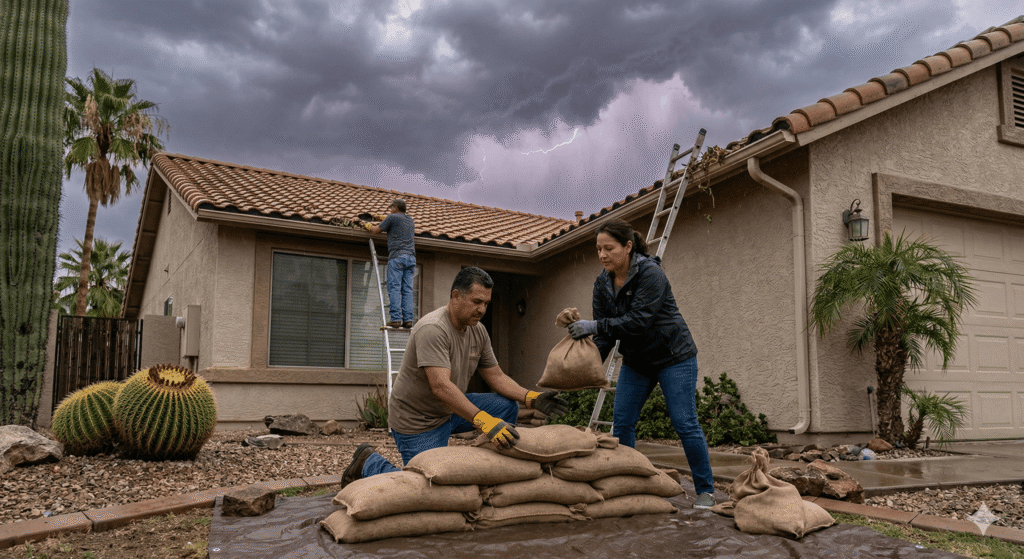
Monsoon season brings much-needed rainfall, but it also increases the risk of flooding, especially in low-lying and urban areas. Heavy rains, clogged drainage systems, and rising water levels can quickly turn into a serious threat for homeowners. Preparing your home in advance is essential to minimize damage, reduce repair costs, and ensure your family’s safety.
Flooding can damage your home’s foundation, electrical systems, furniture, and personal belongings. Without proper precautions, even a few hours of water exposure can lead to mold growth and structural issues. The key to effective monsoon preparation is early planning and proactive maintenance.
By taking a few practical steps before the rains arrive, you can significantly lower the risk of water entering your home. From inspecting your drainage system to sealing vulnerable areas, preparation plays a crucial role. This guide will walk you through essential strategies to protect your home from flooding and stay safe throughout the monsoon season.
Inspect and Maintain Your Drainage System
One of the most important steps in preventing flooding is ensuring that your drainage system is functioning properly. Blocked or poorly maintained drains can quickly lead to water accumulation around your home, increasing the risk of flooding during heavy rainfall.
Start by cleaning gutters, downspouts, and external drains. Remove leaves, dirt, and debris that may obstruct the flow of water. Make sure that rainwater is directed away from your home’s foundation rather than pooling near walls or entry points. If necessary, install gutter guards to prevent future blockages.
Additionally, check underground drainage pipes for any cracks or clogs. If water drains slowly, it may indicate a blockage that needs immediate attention. Regular maintenance can prevent unexpected issues during peak rainfall.
Proper drainage not only protects your home from flooding but also helps maintain the structural integrity of your property. Investing time in this step can save you from costly repairs and long-term damage caused by water infiltration.
Seal Cracks and Waterproof Your Home
Water often finds its way into homes through small cracks and gaps that go unnoticed during dry seasons. Inspect your home’s walls, foundation, windows, and doors for any openings where water could seep in.
Use waterproof sealants to close cracks in walls and floors. Pay special attention to basement areas, as they are more vulnerable to water intrusion. Applying a waterproof coating to exterior walls can also add an extra layer of protection against heavy rain.
Doors and windows should have proper sealing strips to prevent water leakage. If your home is in a flood-prone area, consider installing flood barriers or water-resistant doors.
Waterproofing is a long-term investment that protects your home not only during monsoons but throughout the year. By addressing these weak points early, you can significantly reduce the chances of water damage and keep your home safe and dry during intense rainfall.
Elevate Electrical Systems and Appliances
Water and electricity are a dangerous combination, making it essential to protect your electrical systems during the monsoon season. Floodwater can damage wiring, appliances, and electrical panels, posing serious safety hazards.
If you live in a flood-prone area, consider elevating electrical outlets, switches, and circuit breakers above expected flood levels. This can prevent short circuits and reduce the risk of electrical fires. Important appliances such as refrigerators, washing machines, and generators should also be placed on raised platforms.
Unplug electrical devices during heavy storms to avoid damage from power surges. Installing surge protectors can provide additional safety. It’s also a good idea to have a professional electrician inspect your wiring before the monsoon begins.
Taking these precautions not only protects your home but also ensures the safety of your family. A well-prepared electrical system can make a significant difference during unexpected flooding situations.
Protect Your Furniture and Valuables
Flooding can cause severe damage to furniture, electronics, and personal belongings. Preparing in advance can help minimize losses and make recovery easier after the monsoon season.
Start by moving valuable items, important documents, and electronics to higher shelves or upper floors. Use waterproof storage containers to protect essential items such as passports, legal papers, and emergency supplies.
Furniture made of wood or fabric is particularly vulnerable to water damage. Elevate them using blocks or pallets to keep them above potential flood levels. If possible, move expensive furniture to safer areas during heavy rainfall warnings.
You can also use plastic covers or waterproof sheets to protect items from moisture. Taking these simple precautions can save you from costly replacements and emotional stress.
Being proactive about safeguarding your belongings ensures that even if flooding occurs, the damage is minimized and recovery becomes much easier.
Improve Landscaping and Outdoor Protection
Your home’s exterior plays a vital role in preventing floodwater from entering your property. Proper landscaping can help redirect water away from your home and reduce the risk of flooding.
Ensure that the ground around your home slopes away from the foundation. This helps rainwater flow outward rather than accumulating near your walls. You can also install a French drain or gravel trenches to improve water drainage.
Keep your yard free from debris that could block water flow. Trim trees and plants regularly to prevent leaves from clogging drains and gutters. If you have a garden, consider using water-absorbent soil or adding barriers to control water movement.
Sandbags can be placed around entry points such as doors and garages to prevent water from entering during heavy rainfall. These temporary barriers are highly effective in flood-prone areas.
By improving your outdoor space, you create a strong first line of defense against flooding and protect your home from excessive water exposure.
Create an Emergency Preparedness Plan
Despite all preventive measures, unexpected flooding can still occur. Having an emergency plan in place ensures that you and your family can respond quickly and safely.
Prepare an emergency kit that includes essentials such as drinking water, non-perishable food, flashlights, batteries, a first-aid kit, and important documents. Keep this kit easily accessible at all times.
Establish an evacuation plan and identify safe routes to higher ground. Make sure all family members are aware of emergency contacts and procedures. If you have pets, include their needs in your plan as well.
Stay informed about weather updates and flood warnings through reliable sources. Early alerts can give you enough time to take action and move to safety.
A well-prepared emergency plan not only protects lives but also reduces panic during critical situations. Being ready for the unexpected is a key part of monsoon season preparation.
Conclusion
Preparing your home for the monsoon season is not just about preventing damage—it’s about ensuring safety, comfort, and peace of mind. From maintaining your drainage system to securing valuables and creating an emergency plan, each step plays a crucial role in protecting your home from flooding.
Taking proactive measures can significantly reduce the risks associated with heavy rainfall. Regular inspections, timely repairs, and smart planning can help you avoid costly damages and stressful situations.
Monsoons are an inevitable part of life in many regions, but their impact can be managed with proper preparation. By following these practical tips, you can safeguard your home and enjoy the rainy season without unnecessary worry.
Start preparing today, and ensure that your home remains safe, dry, and protected throughout the monsoon season.