The very first step after a water emergency is to prioritize your safety and the safety of others in the property. Water damage can create hazardous conditions such as electrical risks, slippery surfaces, and structural instability. If the flooding is severe, avoid entering the area until it has been declared safe by professionals. Turn off the electricity at the main breaker if it is safe to do so, and never touch electrical appliances while standing in water.
Additionally, be cautious of contaminated water, especially if it comes from sewage backups or floodwaters, as it may contain harmful bacteria and toxins. Wear protective gear such as gloves, boots, and masks before entering affected areas. If you suspect gas leaks or structural damage, evacuate immediately and contact emergency services.
Taking these precautions reduces the risk of injury and ensures that you can proceed with cleanup and recovery safely. Your health and well-being should always come before property concerns.
Stop the Source of Water
Once safety is confirmed, the next crucial step is identifying and stopping the source of the water. This may involve shutting off the main water supply, fixing a burst pipe, or addressing appliance malfunctions such as a leaking washing machine or water heater. Acting quickly can significantly reduce the extent of damage and repair costs.
If the source is not immediately visible or requires technical expertise, it’s best to call a professional plumber. Delays in stopping the water flow can lead to further structural damage, including weakened walls, ceilings, and flooring. Even small leaks can escalate into major problems if ignored.
For natural flooding situations, such as heavy rain or storms, you may not be able to stop the water entirely. In such cases, focus on preventing additional water from entering by sealing doors, windows, or vulnerable entry points.
Addressing the source promptly is a critical step in minimizing damage and speeding up the recovery process.
Document the Damage for Insurance
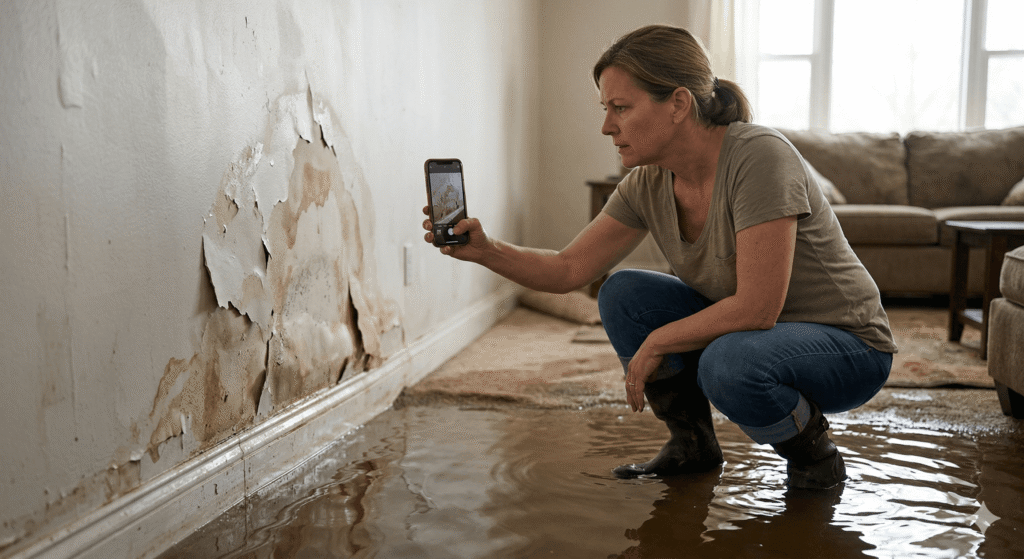
Before starting any cleanup or disposal, thoroughly document all damage for insurance purposes. This step is essential to ensure you receive fair compensation for repairs and losses. Take clear photos and videos of affected areas, including walls, floors, furniture, electronics, and personal belongings.
Make a detailed list of damaged items, noting their approximate value and condition. Keep receipts for any emergency repairs or temporary fixes, as these may be reimbursable under your insurance policy. Avoid discarding damaged items until your insurance adjuster has reviewed them or given approval.
It’s also a good idea to review your insurance policy to understand what is covered and what is not. Some policies may not include flood damage unless you have specific coverage.
Proper documentation not only strengthens your claim but also helps streamline the insurance process, allowing you to recover financially with fewer complications.
Begin Water Removal and Drying
After documenting the damage, begin removing standing water as quickly as possible. The longer water sits, the more damage it causes, including mold growth and structural weakening. Use pumps, wet/dry vacuums, or buckets to extract water from affected areas.
Once the visible water is removed, focus on drying the space thoroughly. Open windows and doors to improve ventilation and use fans, dehumidifiers, and air movers to speed up the drying process. Carpets, rugs, and upholstery may need special attention, as they can retain moisture and promote mold growth.
It’s important to act within the first 24–48 hours, as this is the critical window to prevent mold development. If the damage is extensive, consider hiring professional water damage restoration services, as they have specialized equipment to ensure deep drying.
Efficient water removal and drying are key to preventing long-term issues and restoring your property quickly.
Remove Damaged Materials and Prevent Mold
After drying begins, assess which materials can be salvaged and which need to be removed. Items such as soaked drywall, insulation, and heavily damaged carpeting often need to be discarded, as they can harbor mold and bacteria.
Mold can start growing within 24–48 hours in damp conditions, making it a serious concern after a water emergency. To prevent mold, clean and disinfect all affected surfaces using appropriate cleaning solutions. Pay close attention to hidden areas like behind walls, under flooring, and inside cabinets.
If you notice a musty smell or visible mold growth, it’s best to contact mold remediation professionals. Attempting to handle large mold infestations on your own can be risky and ineffective.
Taking swift action to remove damaged materials and control moisture levels helps maintain a healthy indoor environment and prevents costly repairs in the future.
Protect Your Belongings
While addressing structural damage, don’t forget to protect your personal belongings. Move undamaged items to a dry, safe location to prevent further exposure to moisture. Elevate furniture off wet floors using blocks or aluminum foil to minimize damage.
For valuable items such as documents, electronics, and sentimental belongings, prioritize drying and restoration. Documents can often be saved by air-drying or freezing them to prevent further deterioration. Electronics should be handled carefully and inspected by professionals before use.
Clothing and fabrics should be washed and dried promptly to prevent mold and odors. Items that cannot be fully dried may need to be discarded for health reasons.
Taking proactive steps to safeguard your belongings not only reduces financial loss but also helps preserve items that may hold significant personal value.
Call Professional Restoration Services
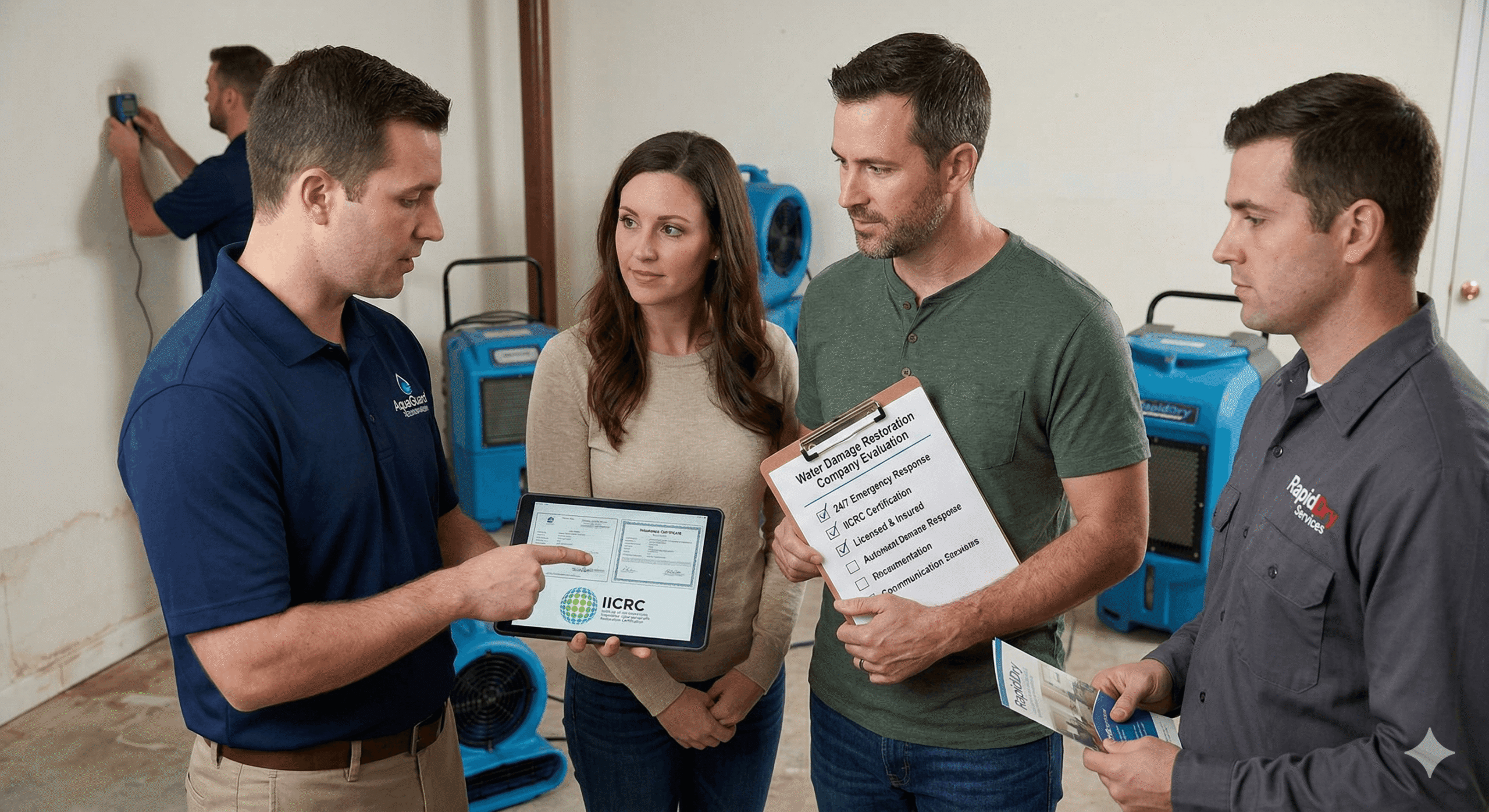
In many cases, handling water damage on your own may not be enough, especially if the damage is extensive. Professional water damage restoration companies have the expertise, equipment, and experience to restore your property efficiently and safely.
These professionals use advanced tools such as industrial-grade dehumidifiers, moisture meters, and thermal imaging to detect hidden moisture and ensure complete drying. They also provide services such as mold remediation, structural repairs, and sanitation.
Hiring professionals can save you time, reduce stress, and prevent long-term issues that may arise from incomplete restoration. Additionally, many restoration companies work directly with insurance providers, helping streamline the claims process.
Investing in professional help ensures that your property is restored to its original condition as quickly as possible, giving you peace of mind during a stressful situation.
Plan for Future Prevention
After recovering from a water emergency, it’s essential to take steps to prevent future incidents. Regular maintenance and inspections can help identify potential risks before they become major problems. Check for leaks in pipes, roofs, and appliances, and address them promptly.
Consider installing water detection devices and automatic shut-off systems to catch leaks early. Ensure proper drainage around your property by cleaning gutters and downspouts regularly. If you live in a flood-prone area, consider additional measures such as sump pumps or flood barriers.
Educating yourself and your household on emergency procedures can also make a significant difference in minimizing damage. Having an emergency plan in place ensures that everyone knows what to do in case of another incident.
Proactive prevention not only protects your property but also saves you from costly repairs and unnecessary stress in the future.